
Lead assessor case study
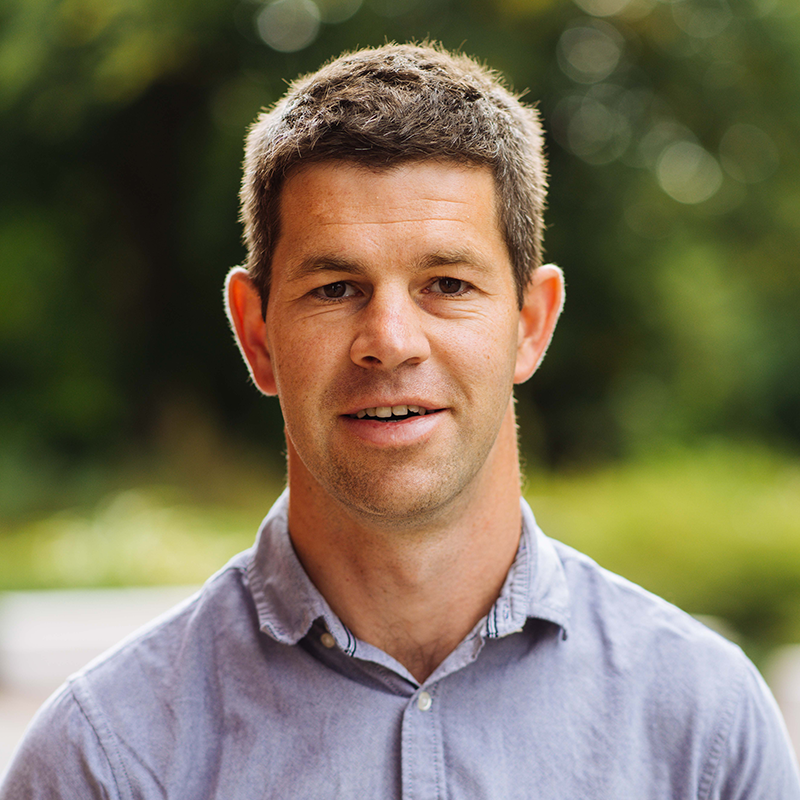
Dr Matthew Cole
Matthew is Director of Education and Head of Student Experience at a UK higher education institution. He has extensive leadership, teaching, and research experience in sport and exercise nutrition.
Why did you want to be an assessor?
I was primarily motivated by the opportunity to share my passion for delivering a high-quality student experience and to make an impact beyond my own institution. With an academic background in sport and exercise sciences, I’ve always had a keen eye for detail and a strong commitment to continuous improvement – an ethos inspired in part by the concept of ‘Marginal Gains’ championed by Sir Dave Brailsford with the British Cycling team in the early 2000s! This mindset has naturally drawn me to roles in higher education where quality assurance and enhancement are key components.
Additionally, I was intrigued by the opportunity to view the assessment process from the ‘other side’ by acting on behalf of the Office for Students (OfS). I saw this as a unique learning experience and one that I could bring back into my day-to-day role at my own institution. I relish the chance to learn from others across the sector and to explore strategies we might adopt as we strive to maintain our current Teaching Excellence Framework (TEF) Gold rating into the future.
What have you learned from conducting an assessment?
I learned a great deal from listening to and working alongside other members of the assessment team. I particularly enjoyed hearing about their experiences and perspectives and using these to reach shared judgements as a team. It’s important to remember that everyone within the OfS assessor pool brings extensive experience in higher education leadership, offering a wealth of expertise to draw upon.
As in assessor it’s important not to interpret the OfS conditions solely through our own institutional lens, so having the opportunity to hear and learn from others was incredibly valuable. I recall several occasions where the team didn’t initially agree on whether the provider was fully meeting certain conditions. However, through healthy discussion and constructive debate, we were always able to reach a consensus.
How does an assessment team work together during an assessment?
The OfS does an excellent job of recruiting assessment teams that bring a broad range of subject-specific and higher education expertise to the process. At the outset, there is a training day where the specific details and requirements of the assessment are outlined, and it also provides an opportunity to meet the rest of the team. Each assessor then independently reviews the initial documentation submitted by the provider.
Following this is the first team meeting, where key priorities are agreed upon and responsibilities for different aspects of the assessment are allocated. We aimed to align these responsibilities with each team member’s area of expertise – for example, one member might focus on condition B4 (assessment and awards), while another might take the lead on condition B2 (resources, support, and student engagement).
This approach allowed each assessor to dedicate time and attention to specific priority areas and engage deeply with the relevant data and documentation, rather than requiring all members to review every aspect of the submission. Personally, I believe that this approach helped us to ensure a more thorough and focused level of scrutiny.
What are your experiences of being a lead assessor?
I thoroughly enjoyed it and felt very fortunate to lead a team of assessors who each brought a wealth of experience and knowledge to the assessment process.
The OfS also appoints an assessment manager (a member of OfS staff), who plays a vital role in managing the logistical aspects of the process (e.g. organising the site visit, providing access to documentation, and setting up meetings). Having an OfS colleague on hand was incredibly valuable and reassuring, and I genuinely don’t think I could’ve managed it without their support. Their involvement also allowed me to focus my time and energy on the areas of the assessment for which I had direct responsibility, while also giving me the capacity to maintain oversight of the wider team’s activity.
Towards the end of the process, I was responsible for drafting and finalising the outcome report that is sent to the provider. This stage brought a great sense of satisfaction, as it marked the culmination of several weeks and months of collaborative effort.
What piece of advice would you give to someone considering an assessor role?
Go for it! It’s an incredibly rewarding process, and it’s a pleasure to work alongside colleagues from across the sector who share a passion for high academic standards and delivering a high-quality student experience.
If I were to offer advice to a new assessor, I’d highlight the importance of clear communication and strong organisational skills. The assessment process is thorough, and providers typically submit a large volume of documentation to evidence how they meet each of the OfS conditions. For example, in one assessment I was involved in, we reviewed nearly 300 separate documents and conducted a two-day site visit, meeting with a range of stakeholders from the provider. Given the scale and complexity of the process, it’s essential to manage your time effectively and prioritise the most relevant information. Doing so ensures you can engage meaningfully with the evidence and contribute fully to the assessment.
Describe your experience of using this website