
Lead assessor case study
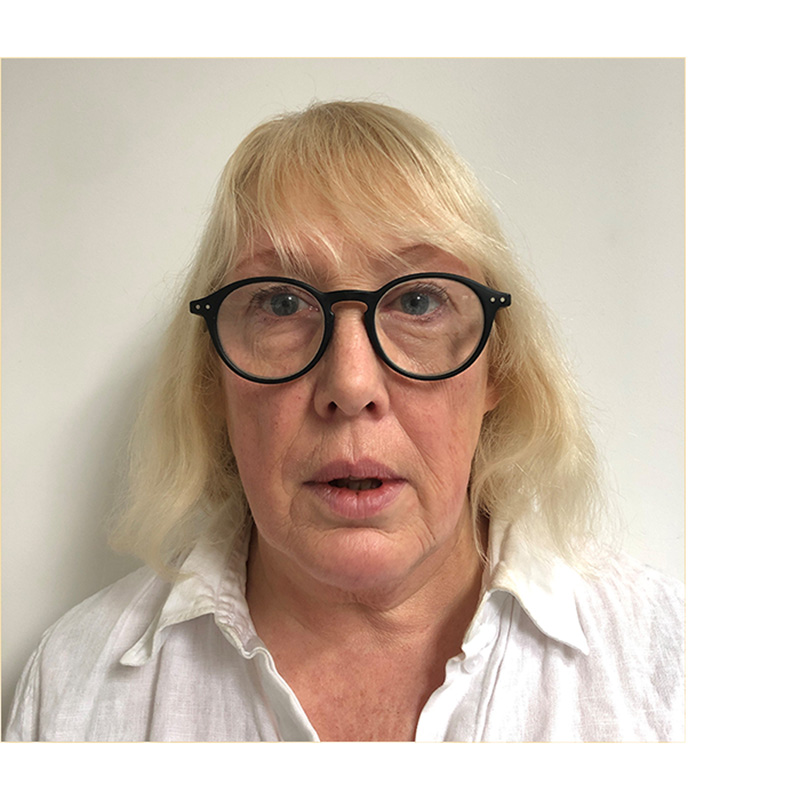
Francine Norris
Francine is an experienced higher education leader and strategic consultant with a 30-year track record across academia, the arts, and design. Previous roles include leadership as Dean in the university sector and Principal of a small and specialist college delivering higher education.
Why did you want to be an assessor?
I have always been deeply committed to the opportunities that higher education can provide. As a first-generation student, I know first-hand how transformative the chance to attend university can be. My personal journey through higher education was not, however, without its challenges and the quality of my experiences on the course I studied varied considerably. This naturally led me to want to play a part in improving the student experience, which is what inspired me initially to pursue a career in teaching.
I chose to progress into senior management roles because I was keen to make a broader impact beyond my own subject area. I wanted to contribute to shaping structures and policy, influencing positive change at an institutional level. Taking on the role of assessor was a logical next step, allowing me to further develop my understanding and to work more widely across the higher education sector.
What have you learned from conducting an assessment?
For the last ten years, I have been leading a small specialist institution. This made the opportunity to observe and engage with the practices of other providers particularly valuable. Seeing first-hand how different institutions approach their work has played a crucial role in helping me to maintain up-to-date knowledge and benchmark my own approach against a broader spectrum of the sector.
Having been exposed to a wide variety of provision types, I have come to appreciate that high quality can be achieved in multiple ways. This exposure has prompted me to reconsider some of my assumptions and broaden my perspective.
On a practical level, I have learned the importance of beginning the report drafting process at an early stage. Starting to write my assessment based on desk-based evidence enables me to quickly identify areas where further evidence is needed to test my judgements. In this way, the act of writing itself becomes a valuable tool for highlighting gaps and helping me make the most effective use of the meetings at the provider visit for pinning down additional information.
How does an assessment team work together during an assessment?
If possible, it’s good to manage workload across the team in a way that enables each assessor to draw upon their individual strengths and areas of interest in relation to the criteria. This approach means assessors can contribute where they are most confident and knowledgeable – it’s important to remember that all the judgements made by the team. As a result, you have to be prepared to work collaboratively and engage with all the criteria and evidence particularly where you are allocated as a second reader. It's important to develop a comprehensive understanding of the submission to have the confidence to either support or, when needed, question your team members' findings.
Being friendly and respectful in discussions helps the team stay dynamic, ensuring people feel comfortable raising issues and also that everyone has a positive experience.
What are your experiences of being a lead assessor?
Being a lead assessor is rewarding but does present a range of challenges, primarily due to the responsibility of guiding a team that you don’t formally manage to deliver high quality outcomes within often tight deadlines. Team members are typically balancing the demands of their primary job roles, which can result in competing priorities and unexpected pressure points. Assessment timelines and peaks in the work are mapped out at the start of the assessment, but timelines can shift if an assessment becomes complex. Dealing with this can test your soft skills and powers of persuasion and you do need to remember to be understanding and flexible.
Ultimately, it remains the lead assessor’s role to establish standards and model the expected behaviours throughout the process. The team may include individuals who are new to assessment work or who are struggling with meeting a deadline, and the lead assessor needs to be prepared to step in and support as required to make sure the assessment is completed on schedule.
What piece of advice would you give to someone considering an assessor role?
Firstly, it's a serious commitment, and other people will be relying on you, so make sure you have the capacity and time to take it on. Assessments can take a long time and so it’s quite likely that things will come up along the way that you haven’t anticipated so make sure you have built some contingency in your planning!
Secondly, you need to keep an open mind! It’s quite likely you will come across ways of doing things that challenge you, both in the providers you are assessing and how different team members work. If you can see this as a learning opportunity rather than making judgements purely based on your own discipline or institution’s approach, then you stand to gain a lot from the experience.
Describe your experience of using this website