
Assessor case study
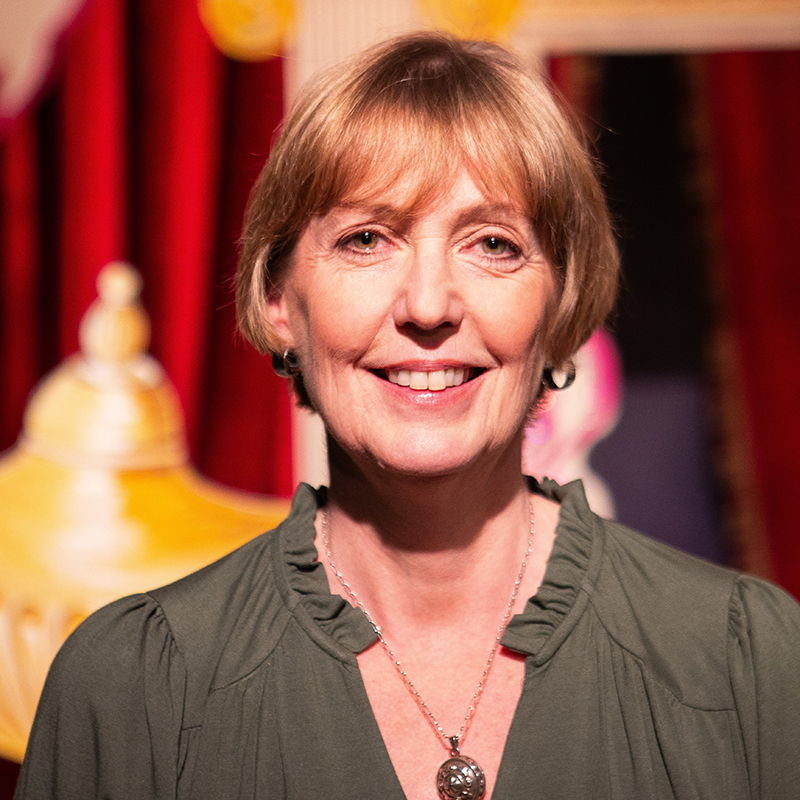
Dr Louise Peacock
Louise is a Professor of Popular Theatre and Performance with over 25 years’ experience in higher education. During that time, she has held a wide range of roles including programme leader, subject leader, validation coordinator and, currently, Head of School.
She has taught in a range of institutions across theoretical and practical drama and theatre curriculum areas.
Why did you want to be an assessor?
When I learned about the opportunity to become an assessor for the Office for Students (OfS), it felt like an ideal way to bring together my experience and contribute to a process designed to ensure high-quality degree education.
I was also keen to gain a broader view of provision across the sector, with the intention of feeding that learning back into my own institution. I thought I might gain useful insights about the sector and about the work that the OfS carries out.
What have you learned from conducting an assessment?
Working on assessments has opened my eyes to the diversity of the higher education sector. In my experience the assessment process can be a useful learning experience both for the assessment team and for providers going through it. The process reminded me of how easily we become accustomed to higher education-specific language and assumptions. Working with a team whose frame of reference was quite different was genuinely eye-opening.
I also valued the chance to engage with the provider – they were an engaged, thoughtful team committed to doing the best for their students. The provider’s staff were determined to learn from our input and engaged fully with every aspect of the visit.
How does an assessment team work together during an assessment?
I approached my first assessment feeling nervous. I wasn’t sure what workload to expect, nor what it would be like to collaborate so closely with a small team of colleagues I had never met. As a trio our roles overlapped but some responsibilities were only undertaken by the OfS assessment manager (a member of OfS staff), such as ensuring our requests for further evidence were conveyed to the programme team.
At first, I felt very much like the junior member of the team. I was worried that I wouldn’t be able to manage the work. However, that changed quickly as I realised the contribution I could make. Both the OfS assessment manager and the lead assessor were very supportive and shared their previous experiences to help me find my feet.
Open, straightforward communication was essential; being able to ask quick questions by email or phone helped me settle into the work with confidence. This also meant that when we came together in person for the visit we had already established a good working dynamic.
What are your experiences of being an assessor?
The role of assessor is undoubtedly demanding but extremely rewarding. The documentation alone runs into hundreds of pages and cannot be rushed. Depending on the nature of the assessment, you might also have videos of assessments to review. All of this work requires a really good eye for detail!
The first visit I conducted was over two days, included facility tours, classroom observations, and a full schedule of meetings with staff and students – a real test of concentration. As a team, we divided responsibilities so that one person led each meeting while the other two focused on note-taking. This allowed the lead questioner to engage fully in the conversation. Between meetings, we compared insights, adjusted our questions where needed, and checked the consistency of evidence – for instance, whether senior staff accounts of professional development aligned with the experiences of more junior colleagues. It was particularly encouraging to observe teaching in action and hear directly from students about the value they placed on their staff and their learning.
After the visit comes the report writing. All three of us contributed to that process, creating the document together. My lead assessor and I agreed areas of primary responsibility and this reduced the difficulty of co-writing the document. Each of us led on some areas and then we reviewed each other’s sections, making adjustments as necessary. The OfS assessment manager kept us on track and offered valuable advice about the OfS’s expectations.
What piece of advice would you give to someone considering an assessor role?
If you're considering becoming an assessor, I would wholeheartedly encourage you to do so. You will gain valuable insights into how other institutions work and you will learn a great deal from your fellow assessors and your OfS assessment manager. However, be mindful of the time commitment – ensure you can give the work the attention it requires. I have now been invited to act as a lead assessor and I’m very much looking forward to my next case.
Describe your experience of using this website